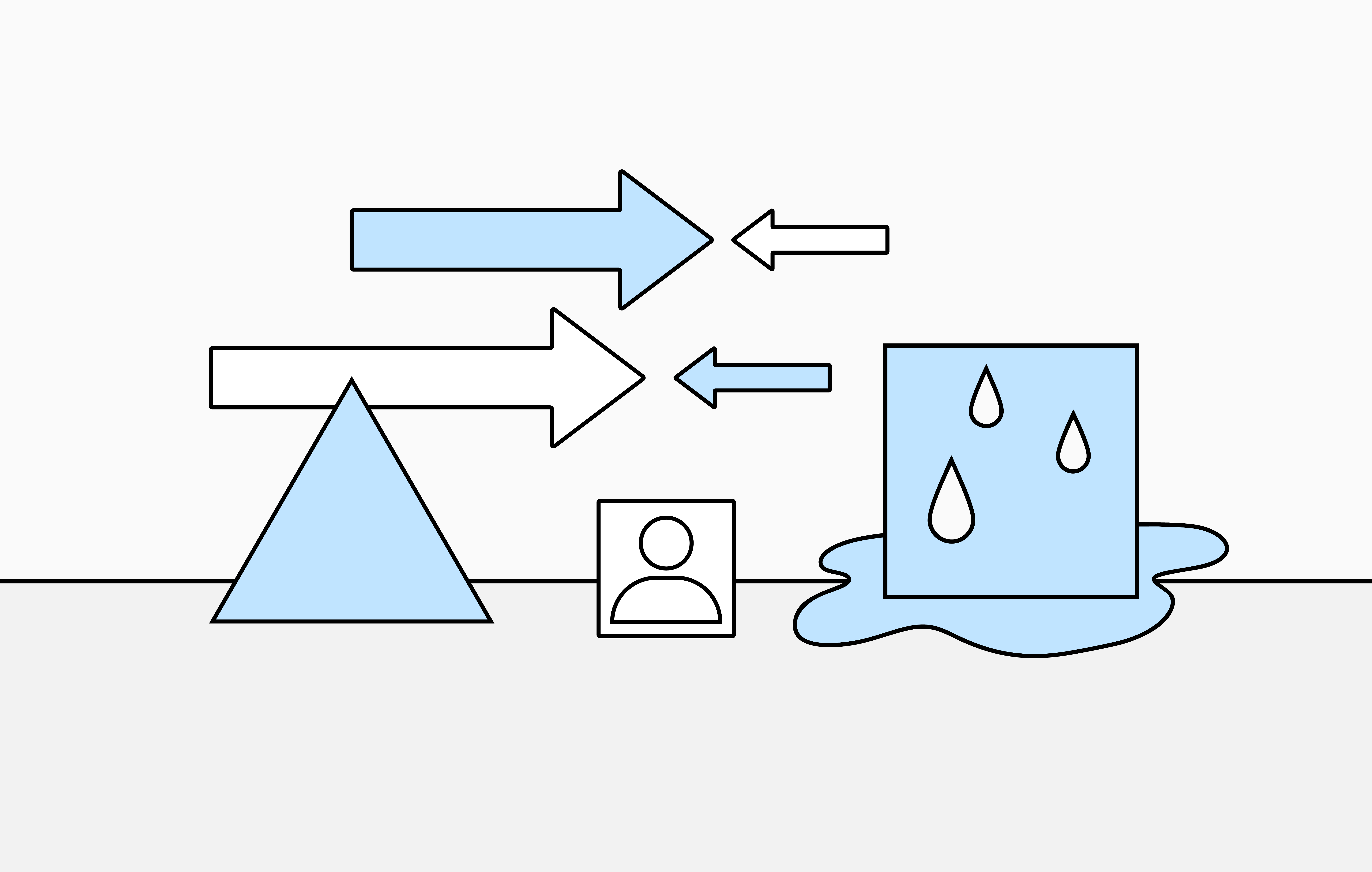
Quick Guide to Change Management: The Lewin 3 Step Model
Kurt Lewin, an American-German psychologist, is often considered the founder of organizational psychology. From his extensive study of social psychology and group dynamics, he developed the 3 Step Model of Change.
This model outlines the simple yet crucial phases organizations must work through in order to implement widespread, long-lasting change.
Force Field Analysis
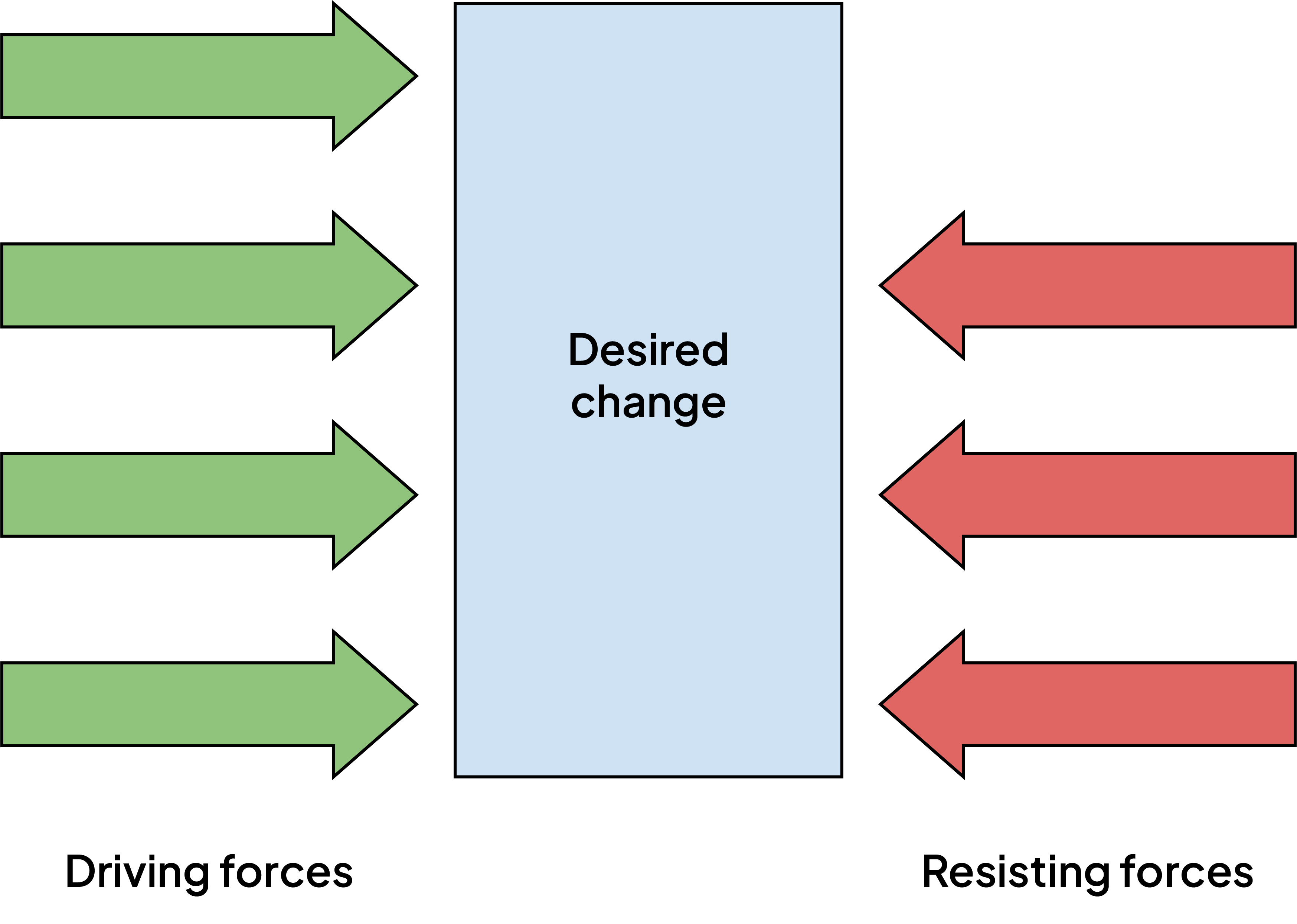
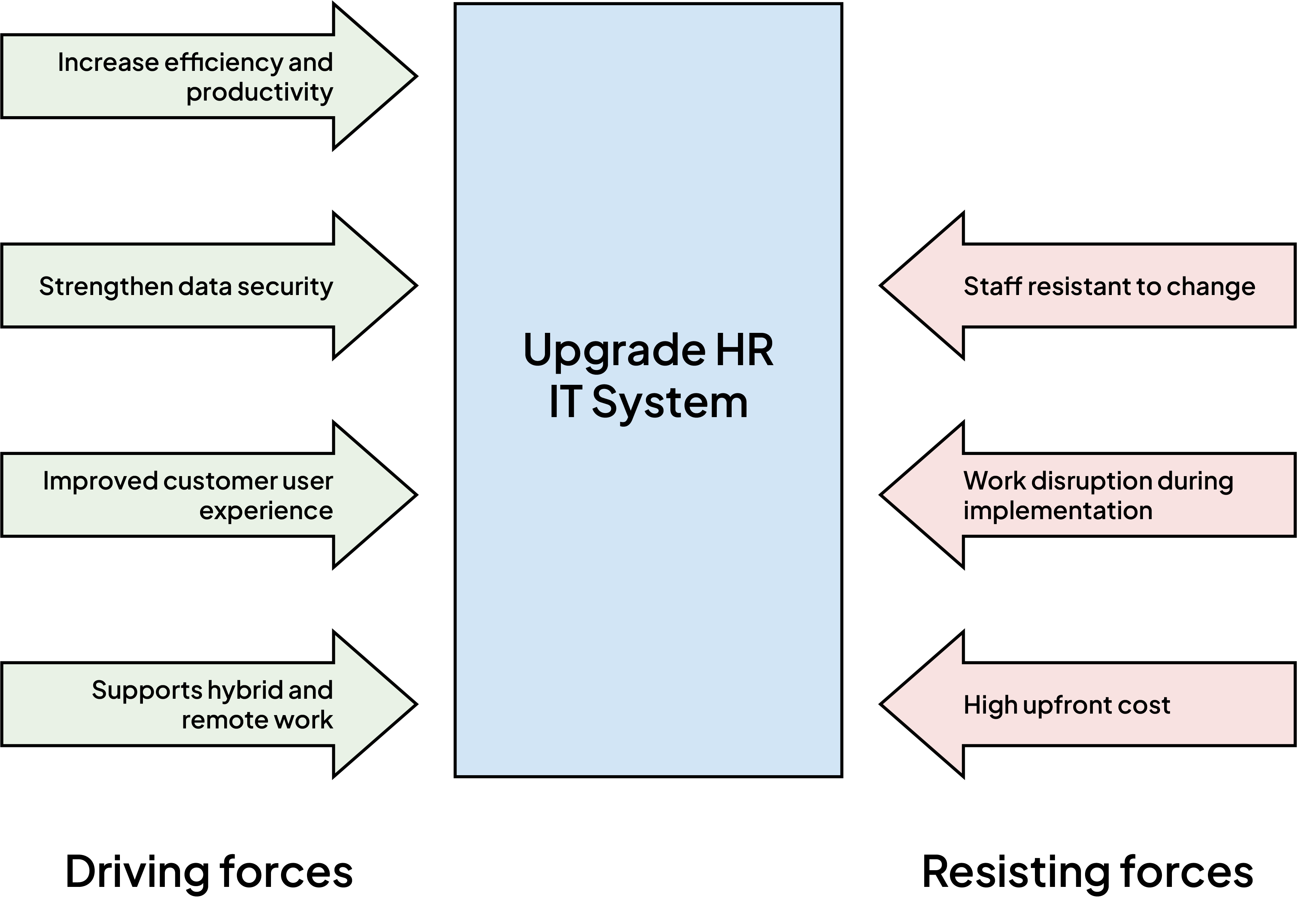
Lewin believed that for change to occur, driving forces (supporting change) must outweigh resisting forces (obstructing change).
From this assumption, he developed a tool called “Force Field Analysis”, which can be used by organizational leaders to evaluate the strength of driving and resisting forces and determine if desired change is feasible.
Force Field Analysis Example
Kurt Lewin's 3 Step model of change
-

Step 1 - Unfreeze
The initial phase of the model is called “Unfreeze”. In this stage, organizational leaders analyze the current environment and come to understand that change is not only preferential, but necessary.
Leaders need to establish a clear vision for the future and communicate the necessity of change to the wider organization. Lewin suggests using Force Field Analysis at this stage, to identify and dismantle barriers to change whilst intensifying driving forces.
In practise, Unfreezing may look like:
- Analyzing organizational data and identifying areas for change and improvement.
- Creating a strategic plan, outlining the proposed change and how this fits with the organizations long-term goals, mission and values.
- Discussing the proposed change with the wider organization, and gaining insight into individuals and groups attitudes to change.
- Preparing individuals and groups for change by sharing the new vision, coaching and providing training.
-
Step 2 - Change
The second step is an action phase, in which the status quo is disrupted, dismantled and new ways of working are brought in.
Lewin emphasised the importance of strong leadership during this time; change can often be unsettling for individuals, as they must adopt new behaviours and let go of deep-rooted attitudes. Some may be ready to embrace change, whilst others may view it as unnecessary and may hinder progress.
Leaders must intentionally drive change forward, by not only advocating for new behaviours, but by supporting and mentoring their teams through change.
Clear, ongoing communication and regular feedback is crucial, and leaders must empower their team in contributing to shaping the new norm.
This step may involve:
- Implementing new systems and disabling old ones.
- Providing training to staff on new systems and processes.
- Leaders holding debrief sessions with staff, encouraging open dialogue about new processes and their experiences with change.
- Utilising feedback to identify further areas for improvement.
At the end of step 2, organizational change begins to solidify and moves towards “Refreezing”.
-
Step 3 - Refreeze
Lewin considered the final step, Refreeze, to be critical in ensuring long-lasting organizational change.
He argued that without fully integrating the change into the organizations core foundation, organizations will undoubtedly revert to old ways of doing things. In this phase, the changes are solidified into organizational culture, creating a new normal.
The initial uncertainty which may occur in steps 1 and 2 starts to melt away, and organizations begin to reap the benefits of change.
Refreezing can look like:
- Updating policies and procedures that reflect new processes as standard.
- Rewarding employees and teams for successful adoption of new behaviours.
- Updating contracts and job roles to reflect the new status quo.
- Consistently seeking feedback from employees, and tweaking systems to better integrate with new behaviours.
In Summary
Lewin’s 3 Step Model of Change provides organizations with a simple framework to navigate the often highly complex task of creating enduring change.
By utilising the Force Field Analysis framework in the initial stages, leaders can identify and dismantle barriers to change, whilst promoting driving forces.
In order to create change that stands the test of time, leaders should place extra emphasis on “Refreezing” their organization.
References
M, Majka. 2024. Navigating Change with Precision: Unpacking Lewin’s Change Management Model
E, Cameron and M, Green. 2009. Making Sense of Change Management. pp 110 – 112.