Quick Guide to Competency Mapping for HR Professionals
What is Competency Mapping?
The process of identifying the knowledge, functional and behavioral skills needed to perform a certain role or task successfully.
A powerful tool used in HR to:
- Inform workforce planning
- Optimize talent and skills
- Evaluate employee performance
Far from being just a buzzword, competency mapping is not a new concept. It was first introduced in 1970 by psychologist David McClelland of Harvard Business School, who argued that intelligence alone was not a reliable indicator of job performance.
The appearance of “intelligence” can be influenced by factors such as test-taking skills, educational background, confidence, or communication style. Instead, he proposed that to understand whether an individual is likely to succeed in a specific role or task, we must look at their competencies.
This is where competency mapping becomes valuable.
Competencies
The knowledge, skills, and attitudes an individual possesses, which blend together to enable an individual to achieve a goal or task.
McCelland divides “competencies” into 3 subcategories: Knowledge, Functional Skills and Behavioral skills.
| Competencies | Description and examples |
|---|---|
| Knowledge |
The theoretical or practical comprehension of a subject, often gained through study or experience. Examples include:
|
| Functional Skils | The role-specific abilities a person must possess n order to perform a certain role or task. Often referred to as 'hard skils'. Examples include:
|
| Behavioral Skills | The underlying attitudes and behaviors that determine how successfully a person performs a role or task. Often referred to as 'soft skills'. Examples include:
|
Benefits of Competency Mapping
Competency mapping is a relatively simple concept which can deliver significant payoffs. Once a competency mapping framework is established, it can easily be replicated and applied to other roles and tasks within an organization.
Competency mapping also helps reduce human bias – once competencies are clearly defined, they provide a consistent benchmark for assessing individuals.
In organizations, competency mapping has been found to:
- Improve recruitment processes: leading to better hiring outcomes, increased efficiency in recruitment and improved retention (Ayyappan and Pryadharshini, 2025)
- Reduce turnover: Competency-based frameworks have been shown to reduce turnover by 45% in a study conducted by Cambridge University.
- Enhance role clarity: which can lead to less responsibility ambiguity, minimize work duplication and create more transparent career progression pathways (Kaur et al, 2023).
How to Build a Competency Map
Since McCelland first introduced the concept, many competency mapping frameworks have been developed.
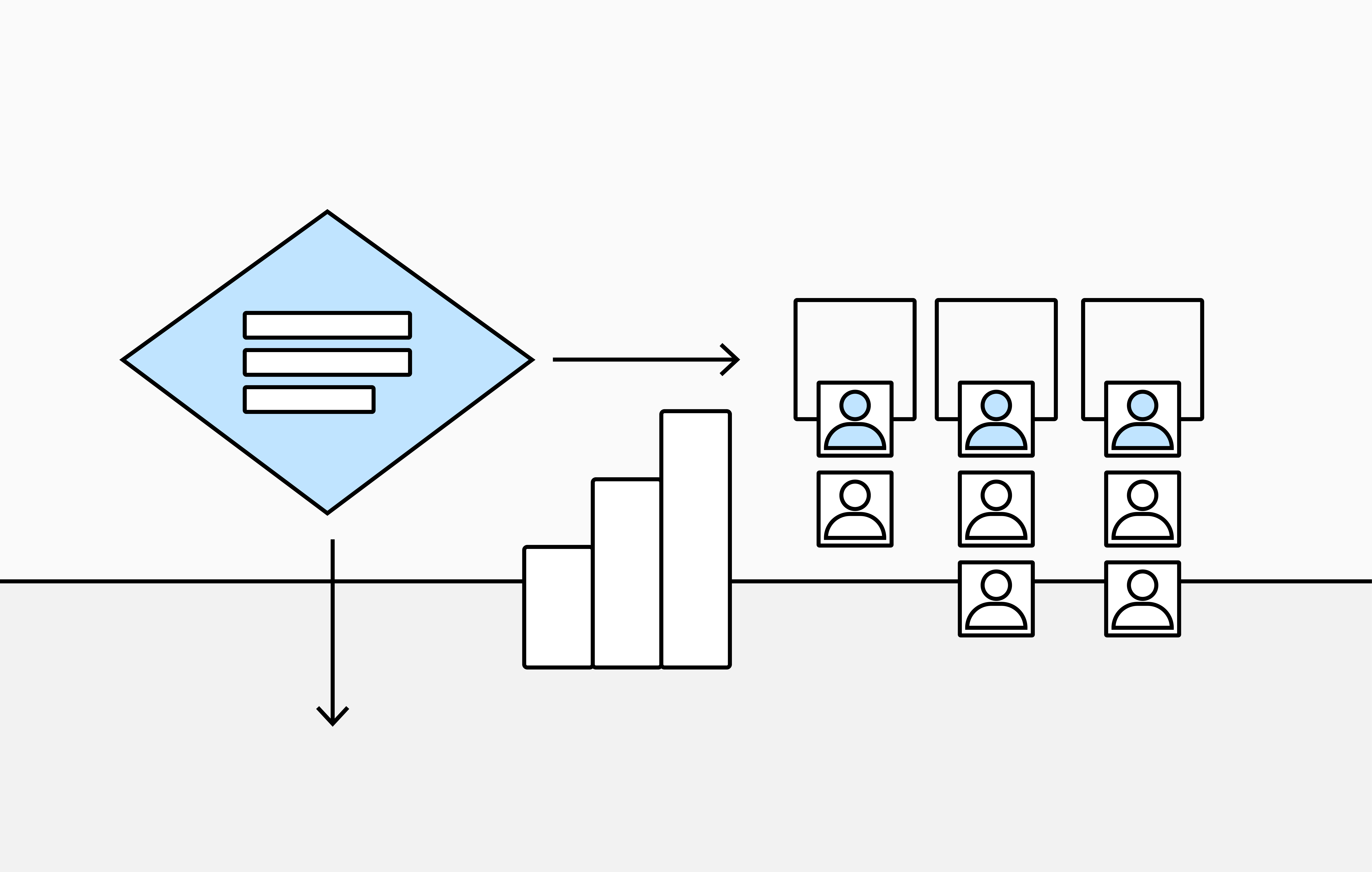
This article aims to simplify the process by presenting 5 steps that can be dynamically adjusted to fit any organization, role or task.
Once you have a grasp of the basics, you may also explore other frameworks such as the Lominger Competency Model and the SHL Universal Competency Framework.
Step 1: Identify
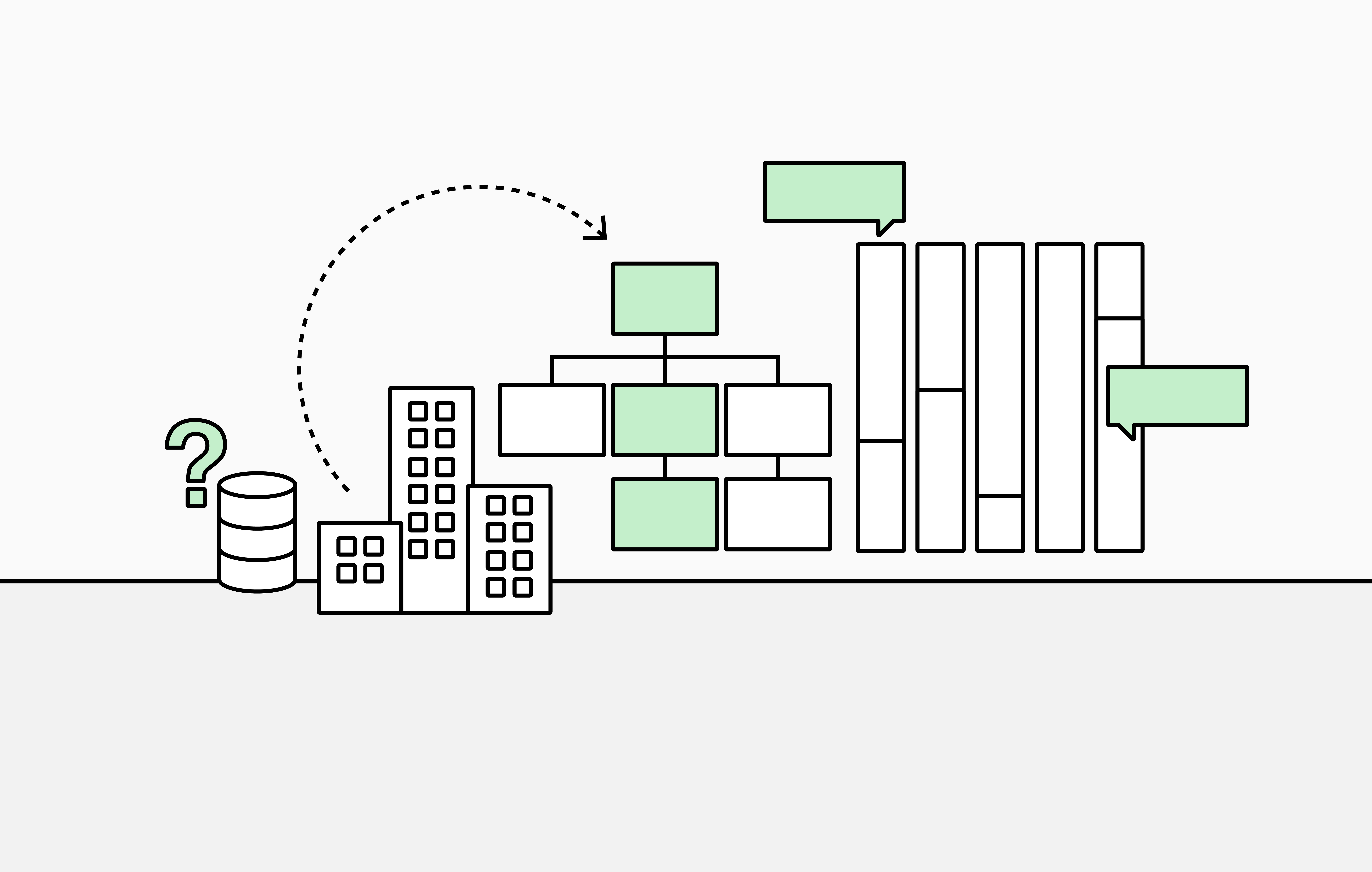
Outline the purpose for developing the competency map and what you are hoping to achieve.
- Is it to create a benchmark for assessing current employees and identifying training needs?
- Or is it to develop comprehensive role profiles for recruitment?
Step 2: Analyze
Examine current roles, their requirements and current employee competencies.
- Collect data on key competencies required for each role and task.
- Speak to managers, employees and colleagues to understand the practical skills, knowledge and behaviors needed for success.
Step 3: Define
Once you have collected the data, identify key competencies and categorize them.
- Knowledge = What someone needs to know
- Functional skills = What someone needs to do
- Behavioral skills = How someone should behave and interact
Further define each competency with specific descriptions and examples.
Step 4: Map
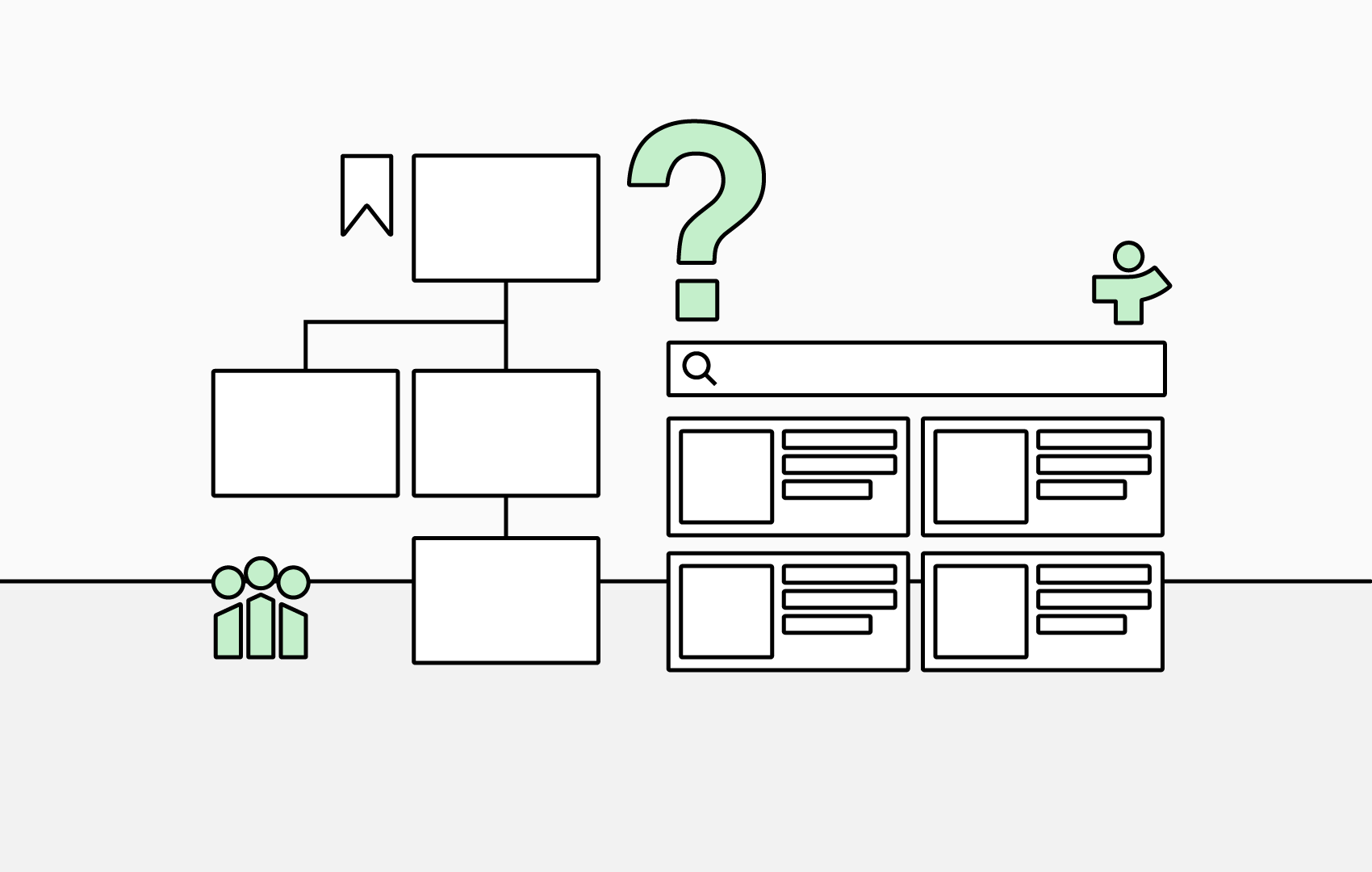
Link defined competencies to roles.
- Create a competency matrix, showing which competencies are required for each role and at what proficiency level.
- Visualize the relationships between roles, tasks and competencies, for example using tables, charts or diagrams.
- Validate the map with managers or subject matter experts to ensure accuracy.
Step 5: Develop
Turn the competency map into practical tools for workforce development.
- Design role-specific competency profiles for recruitment, performance evaluation and career progression.
- Create development pathways, training plans and assessment tools to help employees move from one competency level to the next.
- Pilot the framework in your organization and further refine based on feedback.
Key Takeaways
Competency mapping is a powerful tool for HR , helping to ensure organizations are getting the right people for the job by clearly defining the skills and knowledge required for success.
By following a structured process – identifying, analyzing, defining, mapping and developing competencies – HR teams can reduce bias, improve recruitment and support career growth.
Once established, a competency framework becomes a replicable and adaptable resource, providing long-term benefits for both employees and the organization.