RACI Matrix: Improving Role Clarity in Project Management
Role Clarity in Project Management
In project management, role clarity is an integral yet often overlooked element.
Role clarity is the extent to which individuals understand their duties, expectations and their place within a project work system.
Many projects and tasks fail, not because employees lack technical skills and ability, but because roles are ambiguous, decision-making authority is unclear and responsibility becomes blurred.
This is where the RACI Matrix can help.
What is RACI?
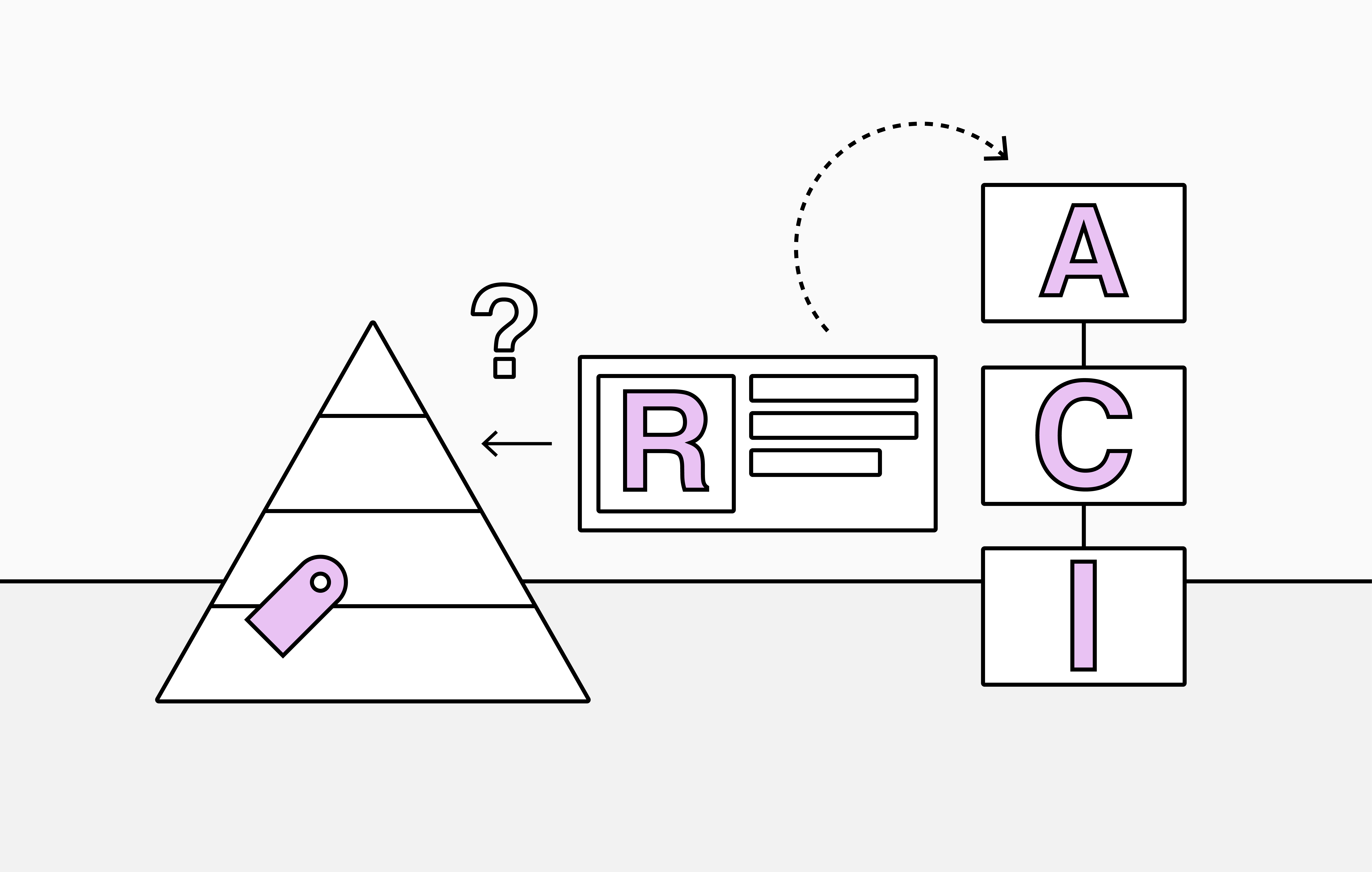
RACI (Responsible, Accountable, Consulted, Informed) is a simple yet powerful framework used in project management to help clarify task ownership. Each individual involved in a task is assigned to one of the four roles – R, A, C or I – based on their responsibilities, decision-making authority, expertise and position within the project.
By having clearly defined roles from the outset, everyone understands what is expected of them, who is performing the work, who must sign off, who should be consulted for input and who needs to be kept informed. This clarity reduces bottlenecks, prevents work duplication and improves efficiency, ultimately ensuring successful project outcomes.
The Roles
Responsible: Individual or team who is responsible for actually doing the work. They will take a hands-on approach by completing physical tasks.
Accountable: This person is the “owner” of the work and is ultimately responsible for ensuring task completion. They will be the individual to “sign-off” the project, ensuring it meets the correct standards and deadlines.
Tip: Allocating ONE individual as Accountable keeps reporting lines transparent, and reduces risk of miscommunication.
Consulted: An individual or team whose advice or opinion is sought in relation to the task or project, such as a subject-matter expert or a department lead.
Informed: An individual or team that is kept up to date on task progress but has little involvement in the project otherwise.
RACI Matrix Example
Before developing your own RACI, take a moment to consider:
- The project goals and objectives
- Tasks or steps, and the chronological order
- The people or teams involved
RACI Example: HR Recruitment Project
| Task | HR Advisor | HR Manager | HR Department Lead | CEO |
|---|---|---|---|---|
| Define job description | R | A | C | I |
| Post job advertisement | R | A | I | I |
| Conduct interviews | R | A | C | I |
| Make final offer | I | C | R | A |
- HR Advisor executes the tasks (drafting descriptions, posting ads and conducting interviews)
- HR Manager is accountable for each step, ensuring tasks are completed correctly.
- HR Department Lead is consulted on role requirements, and kept informed throughout the process. Holds higher authority the closer they are to hiring decisions.
- CEO is kept informed throughout, with the ability to approve the final offer.
Final Thoughts
RACI is a simple yet rewarding tool which can be used in a wide variety of contexts to improve role clarity. By improving role clarity using RACI, project managers can streamline workflows and increase productivity.