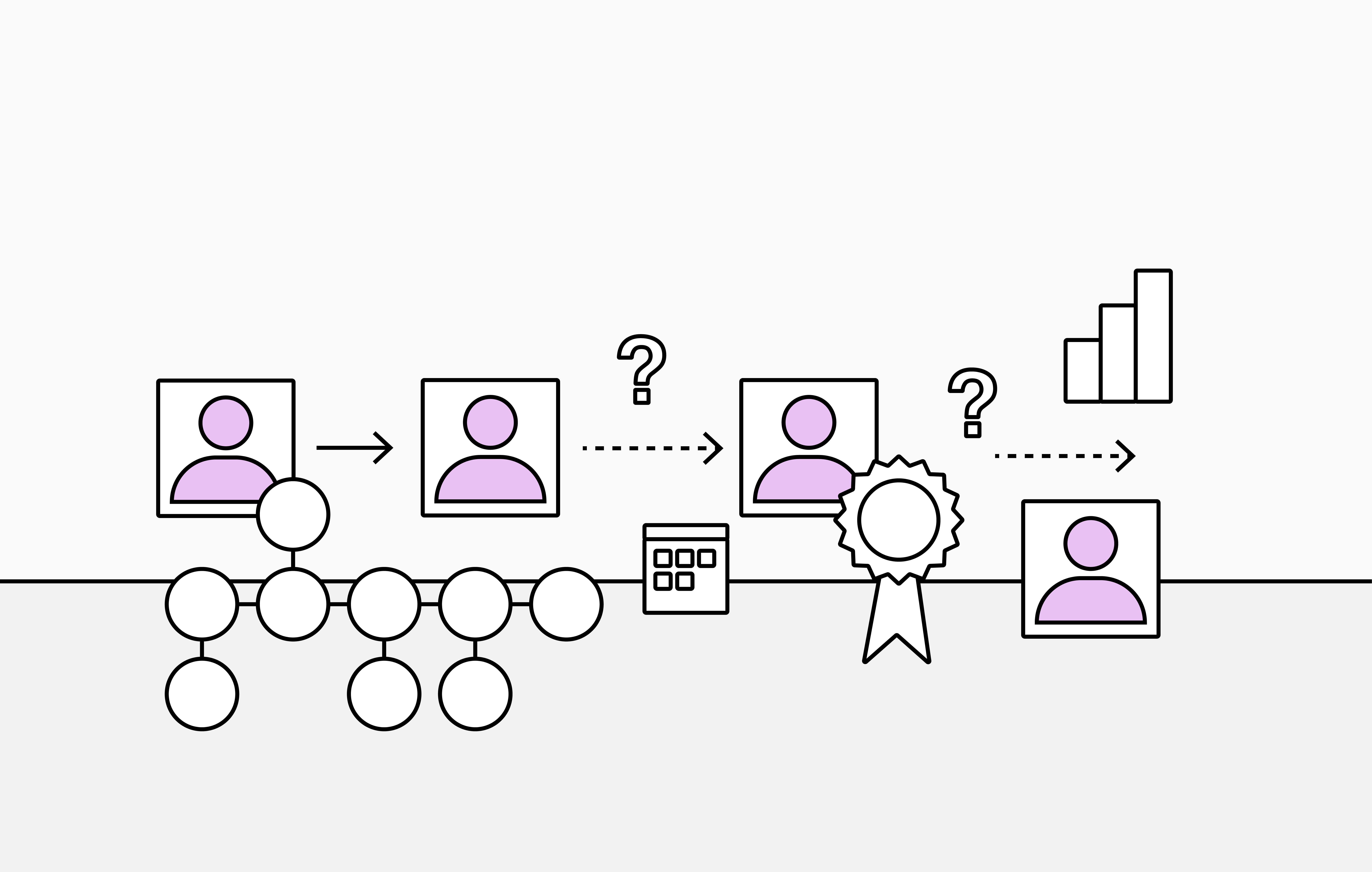
How Org Chart Software Simplifies Succession Planning
Succession planning is one of those initiatives that every organization agrees is important, yet many still approach it in a reactive way.
Leadership transitions happen unexpectedly, and teams can be left scrambling to fill critical roles, protect continuity, and reassure stakeholders.
The gap between intention and execution is significant. Research shows that 86% of leaders say succession planning is an urgent priority, yet only 14% believe their organization does it effectively. The consequences are not just inconvenient, they can be costly and disruptive.
The Costs of Poor Succession Planning
When succession planning is reactive rather than proactive, the impact is felt across the organization.
Financial impact
- Severance packages
- Recruitment firm fees
- Screening candidates and conducting interviews
- Premiums paid for unplanned external hires
Operational impact
- Lost productivity while onboarding unprepared candidates
- Delays in decision-making
- Leadership gaps in critical functions
Cultural and reputational impact
- Perceived instability within the organization
- Damage to client or supplier relationships
- Lower morale and disrupted team dynamics
- Increased voluntary turnover as employees seek more stable environments
It is clear that simply acknowledging that succession planning is important is not enough. A proactive, data-informed approach is required.
This is where modern org chart software can make a measurable impact and transform succession planning from a last minute thought into a strategic advantage.
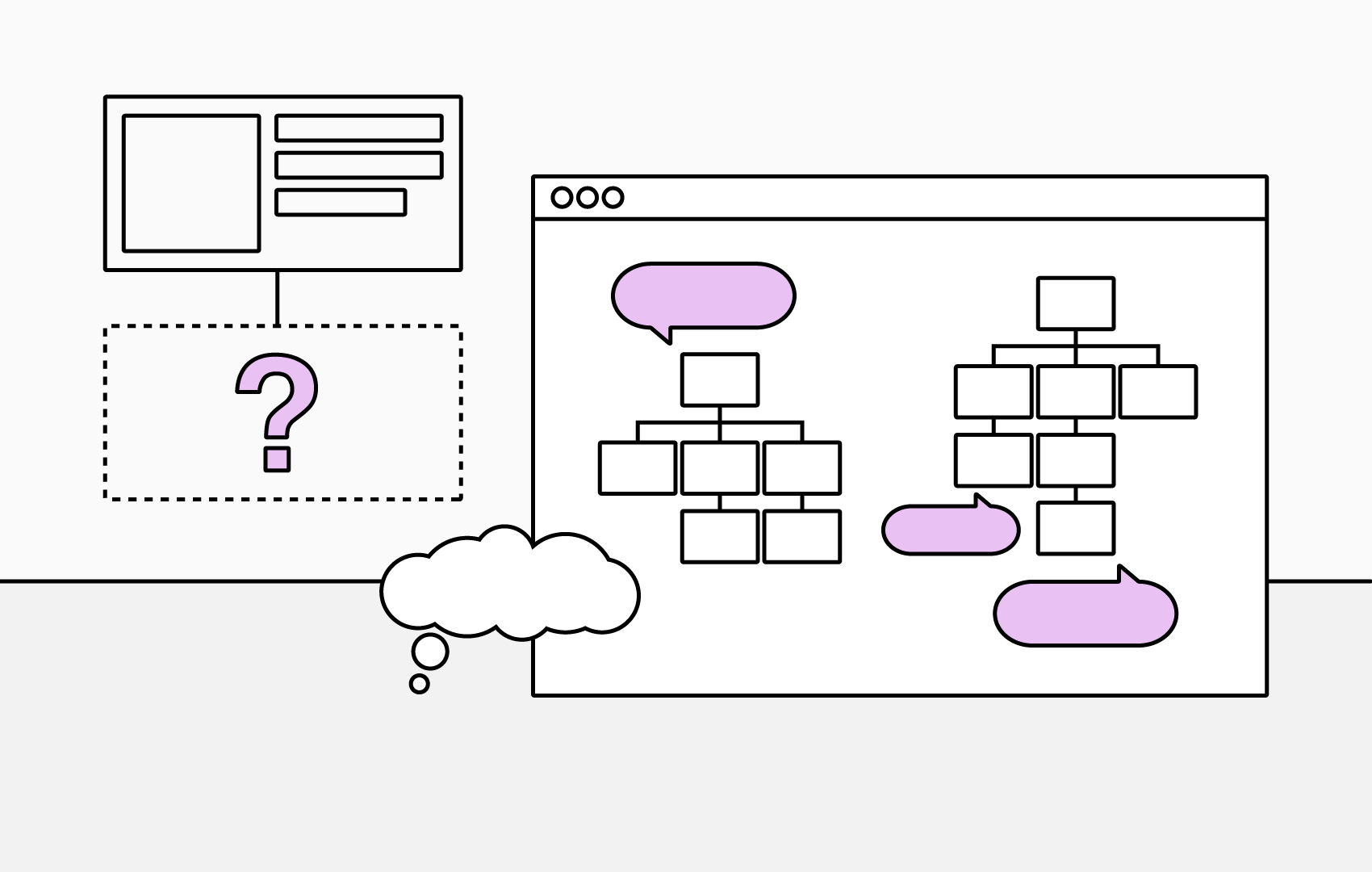
Why Succession Planning Often Falls Short
- Disconnect from organizational reality: Succession plans are often built in isolation from the current structure, failing to reflect evolving reporting lines or shifting responsibilities.
- Limited visibility into reporting structures: Without a clear view of who reports to whom and how teams are arranged, it is difficult to identify vulnerabilities or leadership gaps.
- Failure to identify critical roles: Organizations may not formally define which roles are business-critical, leaving key positions without backup plans.
- Reliance on outdated data: Static spreadsheets quickly become inaccurate, leading to succession decisions based on incomplete or obsolete information.
- Treating succession planning as an annual exercise: When succession planning happens once a year and then sits untouched, it cannot keep pace with organizational change. Without accurate, up-to-date organizational data and a continuous process, identifying leadership gaps and preparing employees for change becomes extremely difficult.
The Foundations of Effective Succession Planning
Effective succession planning rests on three foundations: visibility, continuity, and data integrity. Modern org chart software, particularly when integrated with an employee directory, provides the foundation for all three.
Visibility
Leaders need a clear, real-time view of the organization’s structure: who holds each role, how teams are structured, and how reporting relationships flow.
This visibility enables organizations to identify vulnerabilities, such as:
- Departments without a clear second-in-command
- Managers with unusually wide spans of control
- Single points of failure in critical roles
Continuity
Succession planning must be continuous, not a once-a-year compliance exercise. As employees are promoted, hired, transferred, or leave the organization, succession plans should evolve alongside the structure.
Dynamic org chart software ensures that plans reflect the current organizational reality at all times.
Data
Effective succession decisions rely on objective data, not informal perceptions or familiarity bias.
Organizations need visibility into:
- Tenure and experience
- Skills and competencies
- Career aspirations
- Retirement eligibility
By understanding an employee’s development trajectory, leaders can assess readiness for advancement and identify targeted growth opportunities.
How Org Chart Software Supports Succession Planning
Far from being just a static diagram, an organizational chart tool is a powerful workforce planning resource.
By providing HR and leadership teams with a live visual representation of their organization, modern org chart software supports strategic thinking.
Here are several ways it enhances succession planning:
Identify Gaps in Your Structure
With a dynamic org chart, you can quickly pinpoint roles that lack a designated successor.
Rather than discovering a leadership gap after a departure, you can proactively identify which critical positions require stronger succession coverage and development planning.
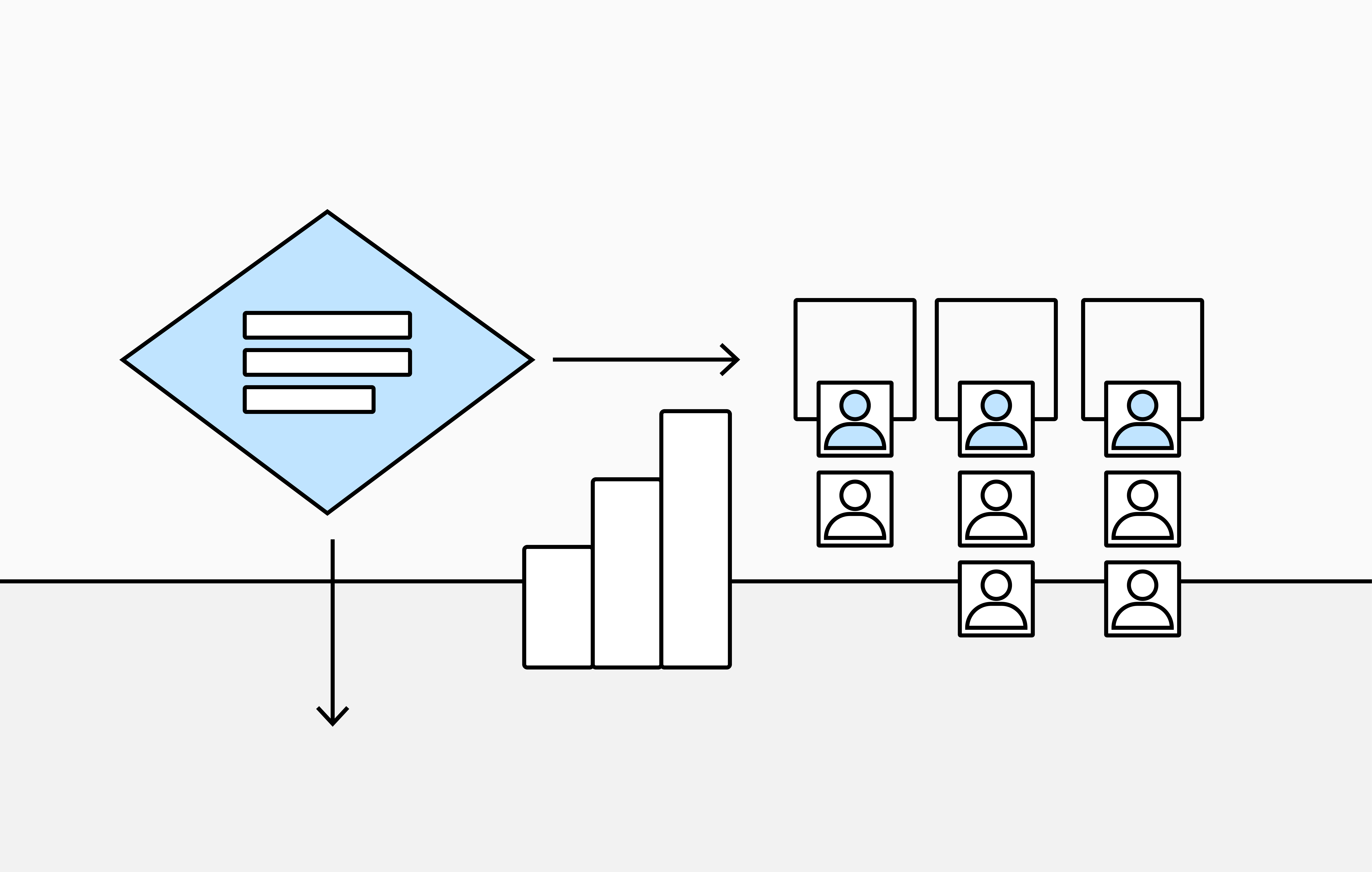
Understand and Optimize Spans of Control
An interactive org chart makes reporting relationships and spans of control immediately visible.
Excessively wide spans of control may indicate that a manager has too many direct reports to effectively mentor and develop potential successors. This insight allows organizations to adjust structure or provide additional leadership support before succession risks escalate.
Visualize Talent Pipeline Strength
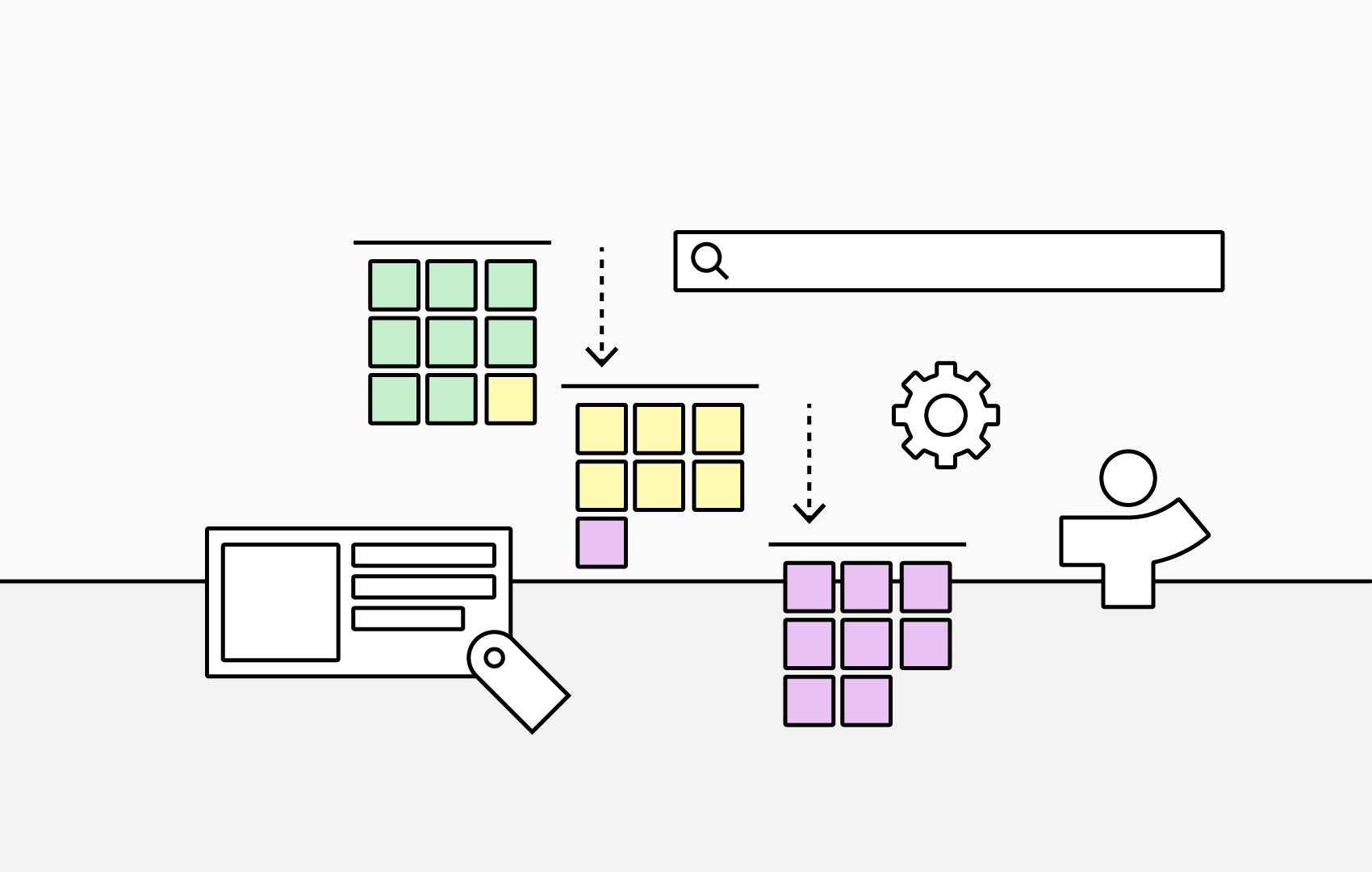
By tagging high-potential employees or tracking skills within the org chart, organizations can gain a clear view of pipeline strength across departments.
This makes it easier to answer critical questions such as:
- Do we have ready-now successors for key roles?
- Where are we overly dependent on a single individual?
- Which departments need targeted development investment?
Model Future Scenarios
Many org chart tools allow organizations to create future-state models.
You can simulate:
- Promotions
- Department restructures
- Planned retirements
- Unexpected departures
By visualizing how one move creates downstream vacancies or structural shifts, companies can prepare intentionally rather than react unexpectedly.
Scenario modeling transforms succession planning from theoretical to actionable.
Integrate Workforce Data
Modern org chart software often allows you to overlay additional workforce data, such as tenure, retirement eligibility, or time in role.
For example, if three senior leaders are likely to retire within the next two to three years, you can begin preparing successors well in advance. This visibility turns potential disruption into manageable transition.
Final Thoughts
Succession planning should not begin when a resignation letter arrives. It should be embedded into the everyday visibility and structure of the organization.
Modern org chart software transforms succession planning from a static HR exercise into a living strategic capability. By combining real-time structural visibility, integrated workforce data, and scenario modeling, organizations can:
- Reduce leadership risk
- Strengthen their internal talent pipeline
- Improve leadership continuity
- Increase organizational stability
- Build long-term resilience
In an environment where change is inevitable, preparation becomes a competitive advantage.
Succession planning is no longer just about replacing leaders. It is about ensuring the organization is continuously ready for what comes next.